Cold Galvanizing Coating
Discover our high‑performance zinc-rich solutions for cold galvanizing coatings, barrier protection, and metal asset preservation.
Galvanizing Coating for Long-Lasting Metal Protection
Steel and iron components are widely used in construction, infrastructure, manufacturing, fabrication and industrial applications. However, when exposed to moisture, oxygen, chemicals and changing environmental conditions, unprotected metal surfaces can develop corrosion. Over time, rust can weaken the surface, affect appearance and increase maintenance requirements.
A Galvanizing Coating provides a protective approach for metal surfaces by creating a barrier against corrosive environmental exposure. Depending on the coating technology, galvanizing systems can also provide sacrificial protection, helping protect exposed steel from corrosion.
For applications where conventional hot-dip galvanizing is difficult or where an additional protective layer is required, a suitable Galvanizing Paint can be considered. The coating should be selected according to the metal substrate, environmental exposure, required durability and application conditions.
What Is Galvanizing Coating?
A Galvanizing Coating is a zinc-based protective coating applied to steel or iron surfaces to help protect them against corrosion. Zinc can provide both barrier protection and sacrificial protection. When zinc is exposed to corrosive conditions, it can preferentially corrode and provide protection to the underlying steel.
Galvanizing can be achieved through different processes. Hot-dip galvanizing involves immersing prepared steel in molten zinc, while zinc-rich coating systems can be applied to prepared surfaces using suitable application methods.
The choice between galvanizing and a zinc-rich coating depends on component size, fabrication requirements, service environment, access, maintenance considerations and project specifications.
How Does Galvanizing Paint Work?
Galvanizing Paint is generally formulated with a high concentration of zinc pigment or zinc dust. When properly applied over a correctly prepared steel surface, the zinc-rich film can provide corrosion protection.
The effectiveness of the coating depends heavily on surface preparation, zinc content, dry-film thickness, application technique and environmental conditions. Zinc-rich paints are commonly used for repair work, maintenance applications and situations where complete hot-dip galvanizing may not be practical.
Before application, rust, mill scale, oil, grease, dust and other contaminants should be removed according to the coating manufacturer's requirements. The required surface profile and cleanliness level should also be established for the particular coating system.
Benefits of Galvanizing Coating
Zinc-based protective coatings provide essential technical advantages for industrial steel preservation:
Strong Corrosion Protection
The primary purpose of zinc-based protection is to reduce corrosion of steel. Zinc acts as a protective layer and can provide sacrificial protection when the coating is damaged or exposed.
Suitable for Industrial Environments
Metal components in factories, plants, warehouses and infrastructure can face moisture, chemicals and atmospheric contaminants. A suitable galvanizing system can provide an additional layer of protection for exposed steel.
Helps Extend Metal Service Life
Corrosion can gradually reduce the useful life of steel structures and components. Properly selected and applied zinc protection can help slow corrosion and support longer service life.
Useful for Maintenance and Repair
Zinc-rich coatings can be useful for repairing damaged galvanized areas or protecting steel components that cannot easily be removed and transported for hot-dip galvanizing.
Versatile Application Options
Depending on the product, zinc-rich coatings can be applied using brush, roller or spray equipment. Application requirements vary, so the product's technical data and recommended procedures should always be followed.
Where Is Galvanizing Coating Used?
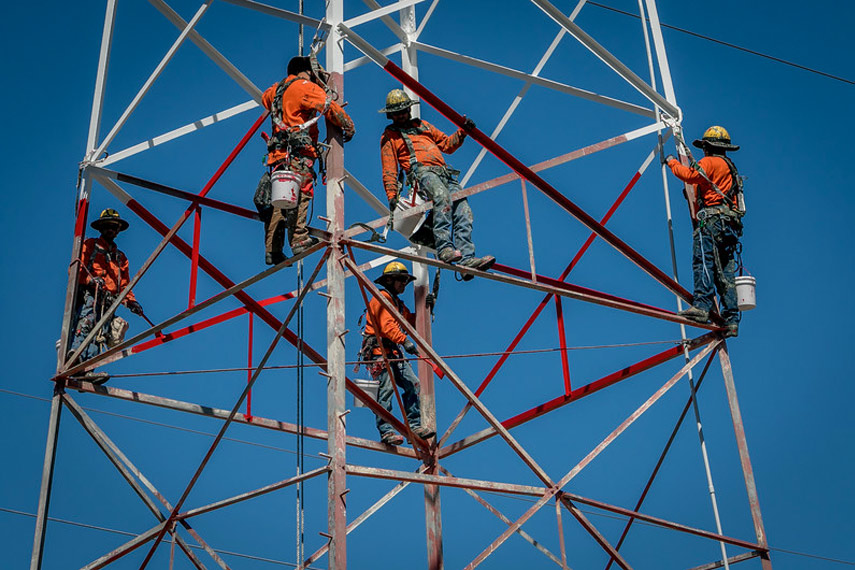
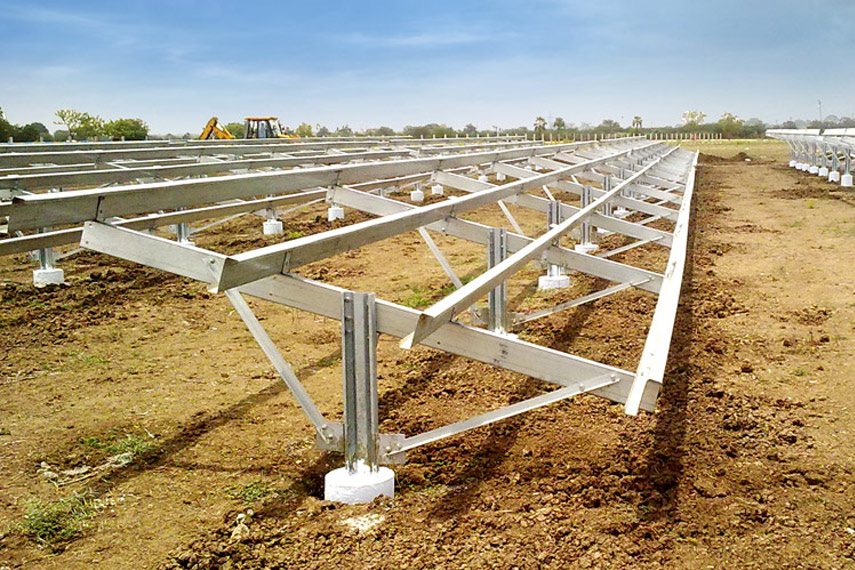
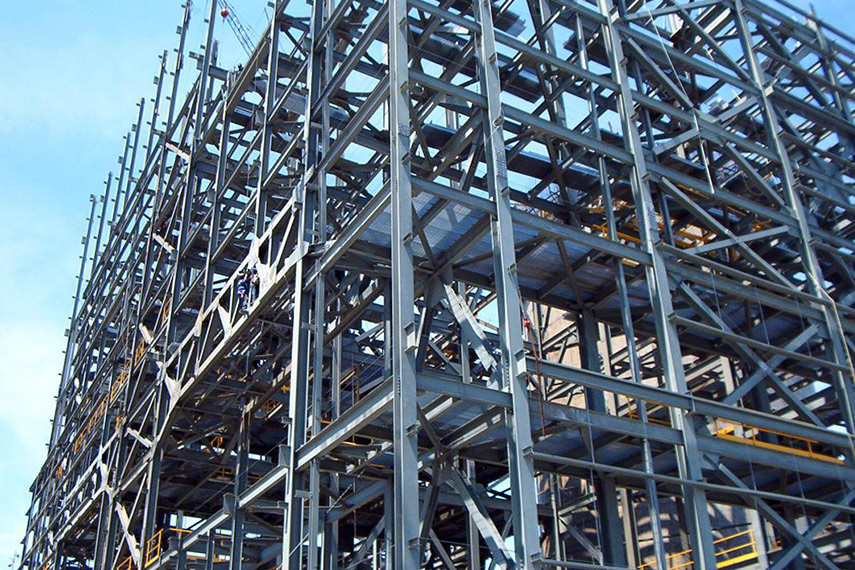
Zinc-based protective coatings are suitable for numerous steel and iron applications, subject to product compatibility and project specifications. Common applications include:
The expected service environment should always be considered before selecting a coating system.
Galvanizing Coating vs. Galvanizing Paint
Although the terms are sometimes used interchangeably, galvanizing and zinc-rich painting are not necessarily the same process.
Hot-dip galvanizing creates a metallurgically bonded zinc coating by immersing prepared steel into molten zinc. This process is commonly used when components can be transported to a galvanizing facility and the design is suitable for the process.
A zinc-rich Galvanizing Paint, on the other hand, is applied directly to a prepared surface. It can be particularly useful for repairs, maintenance or large fixed structures where removing the component is impractical.
The appropriate solution depends on the project's requirements, component dimensions, access, environmental exposure and specified performance criteria.
Application of Galvanizing Paint
A typical application process includes several stages:
Surface Inspection
Check the steel for corrosion, contamination, defects and existing coatings.
Cleaning and Preparation
Prepare the substrate according to the coating specification.
Primer or Zinc-Rich Layer
Apply the specified zinc-rich coating at the recommended thickness.
Drying and Curing
Allow the coating to dry or cure according to environmental and product requirements.
Additional Coats
Apply subsequent coats where the specified system requires them.
Final Inspection
Check coating coverage, thickness, adhesion and visible defects.
Factors to Consider Before Choosing a Galvanizing Coating
Selecting a coating should not be based only on price or appearance. Important factors include:
For aggressive environments, a multi-layer protective Galvanizing coating system may be considered rather than relying on a single coating layer.
Why Choose Protexion?
Protexion provides protective coating solutions intended for demanding industrial and infrastructure applications. For zinc-based metal protection, the coating system should be selected according to the substrate, corrosion environment, required performance and application conditions.
Proper technical assessment, surface preparation and controlled application can help achieve consistent coating performance and reduce premature coating failure.
Why Galvanizing Coating & Galvanizing Paint Matter
A properly selected Galvanizing Coating can provide effective corrosion protection for steel and iron components exposed to demanding conditions. Zinc-based protection can help reduce corrosion, support longer service life and lower maintenance requirements.
For maintenance, repair and selected new-build applications, Galvanizing Paint offers a practical method of applying zinc-rich protection directly to prepared metal surfaces. Achieving reliable results requires the right product, suitable surface preparation, correct coating thickness and controlled application conditions. Evaluating these factors before starting the project helps create a durable and dependable metal protection system.
Frequently Asked Questions
Questions & Answers
Get In Touch
ISO 9001:2015 Certification
Protexion LLP | Nasik
ISO 9001:2015 Certification scope for protective coatings and solution providers. This ensures the highest global standards for industrial quality management.
Read Detailed PDFSubmit Inquiry
Reach out to our engineering team for technical support and inquiries.
Esteemed Clientele










Trusted by 100+ Leading Corporations Across India