
Temperature resistant coating | Heat resistant coating
Discover our high‑performance solutions for temperature resistant and heat resistant coating applications.
Temperature Resistant Coating for Industrial Applications
Industrial equipment operating under continuous or intermittent high temperatures requires more than a conventional paint system. Excessive heat can cause ordinary coatings to lose adhesion, crack, blister, discolor, or deteriorate, leaving metal surfaces vulnerable to oxidation, corrosion, and environmental damage. A properly selected Temperature resistant coating provides a protective barrier designed to maintain surface performance under demanding thermal conditions.
Heat resistant coating systems are specially developed for equipment and structures exposed to elevated operating temperatures. Depending on the formulation and application requirement, these coatings can be used on chimneys, exhaust systems, hot pipelines, furnaces, boilers, engine components, process equipment, and other industrial surfaces.
What Is Temperature Resistant Coating?
A Temperature resistant coating is a specialised industrial protective coating designed to withstand high operating temperatures while maintaining adhesion and surface protection. Unlike standard paints, high-temperature systems are formulated for environments where thermal exposure can quickly damage conventional coatings.
Temperature resistance should always be considered in relation to the actual operating conditions. Continuous service temperature, intermittent heat, heating and cooling cycles, substrate material, chemical exposure, moisture, and surface preparation can all influence coating performance.
For example, industrial equipment exposed to several heating and cooling cycles may require a coating system with strong thermal stability and adhesion. Similarly, equipment located outdoors may need additional resistance against UV radiation, moisture, oxidation, and atmospheric conditions.
Why Use a Heat Resistant Coating?
High-temperature equipment can experience several problems when conventional paint is used. Continuous heat may accelerate coating deterioration and expose the underlying metal to oxidation and corrosion.
A properly specified Heat resistant coating can help:
The Heat resistant coating should always be selected according to the actual service temperature and environmental conditions rather than simply choosing the highest advertised temperature rating.
Applications of Temperature Resistant Coating
High-temperature coating systems are used across numerous industrial sectors. Common applications include:
Industrial Chimneys and Stacks
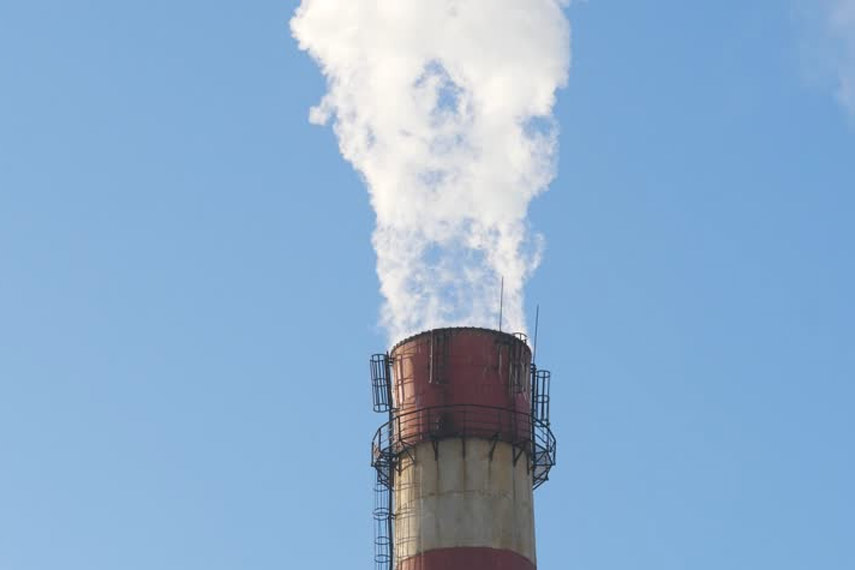
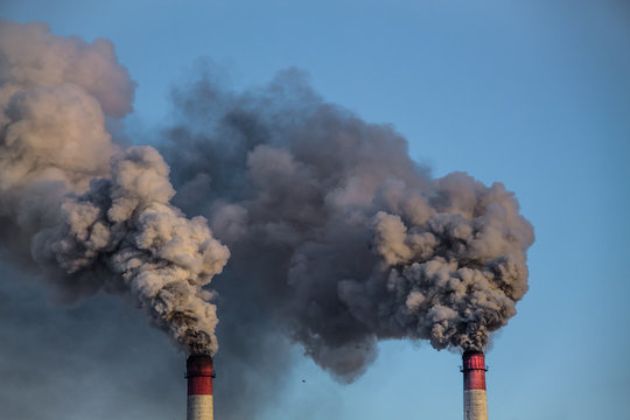
Chimneys and exhaust stacks are exposed to heat, weather, moisture, and industrial emissions. A suitable Temperature resistant coating can help protect exposed metal surfaces while maintaining a durable finish.
Boilers and Furnaces
Boilers, furnaces, heaters, and related equipment operate under demanding thermal conditions. Specialised coating systems can provide protection where conventional industrial paints may not be suitable.
Hot Pipelines and Ducts
Process pipelines, hot air ducts, exhaust ducts, and other heated components may require protective coatings capable of handling elevated surface temperatures.
Exhaust Systems and Engine Components
Automotive and industrial exhaust components experience repeated heating and cooling. A suitable Heat resistant coating can provide protection against thermal exposure while helping maintain the condition of the coated surface.
Industrial Process Equipment
Refineries, chemical plants, manufacturing facilities, power plants, and engineering industries may have equipment exposed to high temperatures. The correct coating specification can help protect these assets from temperature-related deterioration.
Key Features of Heat Resistant Coating
A high-quality Heat resistant coating should be selected based on the complete operating environment. Depending on the product technology, important performance characteristics may include:
How to Select the Right Temperature Resistant Coating
Choosing the correct Temperature resistant coating is an important part of industrial asset protection. Before selecting a Temperature resistant coating, consider the following factors:
Operating Temperature:
Identify the normal continuous operating temperature and the highest temperature the surface may experience.
Thermal Cycling:
Determine whether the equipment repeatedly heats and cools. Frequent temperature changes can affect coating adhesion and long-term performance.
Substrate:
Steel, stainless steel, aluminium, and other substrates may require different coating technologies or preparation methods.
Chemical Exposure:
If the surface is exposed to chemicals, fumes, oils, moisture, or industrial gases, chemical resistance should be considered along with temperature resistance.
Surface Preparation:
Cleaning, degreasing, removal of rust and contaminants, and appropriate surface preparation are essential for achieving reliable coating adhesion.
Application Conditions:
Application temperature, humidity, film thickness, curing requirements, and accessibility should be evaluated before work begins.
Benefits for Industrial Equipment
Using the right Heat resistant coating can offer both protective and maintenance benefits. By providing a durable barrier between the substrate and its operating environment, the coating can help reduce direct exposure to heat, oxidation, moisture, and other damaging factors.
For industrial owners and maintenance teams, this can support better equipment protection, improved appearance, reduced premature coating failure, and more predictable maintenance planning.
The right coating can also be particularly valuable when equipment cannot frequently be taken out of service for extensive maintenance. However, application and curing requirements should always be confirmed according to the selected coating's technical specifications.
Why Choose Protexion?
Every industrial application has different operating conditions. A chimney, furnace, exhaust system, hot pipeline, and process vessel may all experience different combinations of temperature, corrosion, chemicals, moisture, and thermal cycling.
Protexion provides specialised industrial coating solutions for high-temperature applications, with temperature-resistant systems designed for demanding industrial environments. Professional evaluation helps ensure that the selected Temperature resistant coating matches the substrate, operating temperature, exposure conditions, and expected service requirements.
Get the Right Heat Resistant Coating for Your Application
Protecting high-temperature equipment starts with understanding the operating environment. Whether the requirement involves an industrial chimney, furnace, boiler, exhaust, pipeline, duct, engine component, or specialised process equipment, the coating system should be selected according to actual temperature and environmental exposure.
A properly specified Temperature resistant coating and Heat resistant coating can help maintain surface protection where conventional coatings may not be suitable. For reliable results, evaluate the temperature range, substrate, thermal cycling, chemical exposure, surface preparation, and application requirements before choosing a coating system.
Frequently Asked Questions
Get In Touch
ISO 9001:2015 Certification
Protexion LLP | Nasik
ISO 9001:2015 Certification scope for protective coatings and solution providers. This ensures the highest global standards for industrial quality management.
Read Detailed PDFSubmit Inquiry
Reach out to our engineering team for technical support and inquiries.
Esteemed Clientele














Trusted by 100+ Leading Corporations Across India