
HVAC coating for coils
Reliable, ultra-thin corrosion protection for heat transfer equipment without compromising airflow and thermal conductivity.
HVAC Coating for Coils: Reliable Protection for Heat Transfer Equipment
HVAC systems operate in environments where moisture, condensation, airborne pollutants, salts and chemicals can gradually affect exposed metal surfaces. Heat transfer coils are particularly vulnerable because they contain closely spaced fins and tubing designed to exchange heat efficiently. Corrosion on these surfaces can lead to deterioration, leakage and maintenance concerns over time.
HVAC coating for coils is designed to provide a protective layer over suitable coil surfaces while supporting the functional requirements of the heat exchanger. Properly selected coil coatings can help protect aluminium and copper components from corrosive exposure and contribute to longer equipment service life. Research on HVAC/R heat exchangers has specifically examined protective coatings as a method of controlling corrosion while considering their effect on thermal performance.
What Is HVAC Coating for Coils?
HVAC coating for coils refers to specialized protective coating systems applied to heat exchanger coils used in air-conditioning, refrigeration and ventilation equipment. These coatings are formulated differently from ordinary metal paints because HVAC coils have a large surface area, delicate fins and narrow spaces between components.
A suitable coating should provide corrosion resistance without unnecessarily obstructing the fin passages. Modern coil-protection systems may use epoxy, polyurethane, acrylic, phenolic or other specialized coating technologies depending on the substrate and operating environment.
The correct coating depends on factors such as coil material, moisture exposure, chemical conditions, location, fin configuration and required service life.
Why Do HVAC Coils Need Protection?
Coils can be exposed to condensation, humidity, salt particles, industrial pollutants and cleaning chemicals. In coastal or industrial locations, these conditions can accelerate corrosion.
Corrosion may affect the thin fins and other exposed portions of a heat exchanger. As corrosion progresses, the physical condition of the coil can deteriorate and may eventually contribute to leakage or equipment performance problems. Protective coil coatings are therefore used in applications where additional corrosion resistance is required.
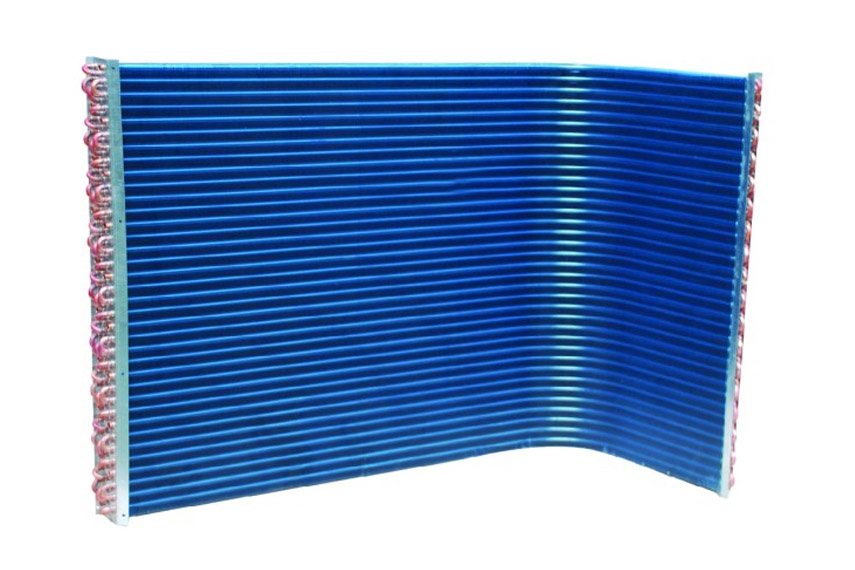
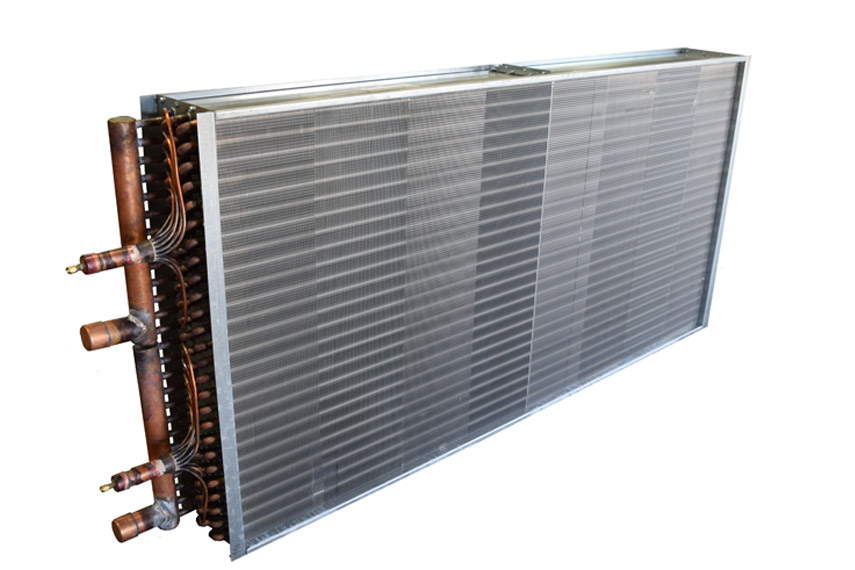
Key Benefits of HVAC Coil Coating
Engineered protection designed to maintain high thermal efficiency while shielding delicate fin structures from aggressive environmental corrosion.
1. Helps Control Corrosion
The primary purpose of a specialized HVAC coating for coils is to create a protective barrier between the metal surface and corrosive environmental conditions. This can be especially useful for equipment exposed to moisture, salt air or industrial contaminants.
2. Supports Longer Coil Service Life
Corrosion can progressively damage heat exchanger components. A properly selected protective coating can help preserve the condition of the coil and potentially reduce corrosion-related replacement requirements.
3. Protection in Challenging Environments
HVAC equipment installed near coastal areas, industrial facilities, humid locations and polluted environments may require enhanced corrosion protection. Specialized HVAC coatings are available for such operating conditions.
4. Helps Reduce Maintenance Concerns
A protected coil can be easier to maintain when the coating system is properly selected and applied. Corrosion prevention can form part of a broader HVAC maintenance strategy.
5. Suitable for Different Heat Exchanger Designs
Coating technologies can be designed for various heat exchanger configurations, including tube-and-fin and other HVAC/R coil formats. The coating must be compatible with the specific equipment design.
Where Is HVAC Coating for Coils Used?
A suitable HVAC coating for coils can be considered for several types of equipment, including:
Some coating systems are suitable for both new equipment and maintenance or retrofit applications, while others are intended for factory application.
How Does Coil Coating Work?
The HVAC coating for coils forms a protective film over suitable exposed coil surfaces. This film acts as a barrier against moisture and corrosive contaminants.
Depending on the coating technology, additional properties such as chemical resistance, UV resistance, flexibility, adhesion and water repellency may be important. However, coil coatings are not simply conventional protective paints. Because heat exchangers depend on efficient airflow and heat transfer, the coating system must be designed and applied carefully.
Importance of Correct Surface Preparation
Surface preparation is a critical stage of HVAC coating for coils. Dirt, grease, dust, corrosion products and other contaminants can interfere with adhesion.
Before coating, the coil should be inspected and cleaned using a method appropriate for the substrate and coating system. Existing corrosion should be assessed rather than simply covering it with a new layer. Some equipment manufacturers specifically caution that coating over existing corrosion can lead to continued deterioration and coating failure.
A properly prepared surface allows the coating to achieve better contact and more consistent coverage.
Choosing the Right HVAC Coating
Not every coil requires the same coating system. Important selection factors include:
The coating should also be compatible with the coil material and existing equipment. Manufacturer recommendations should be followed throughout preparation and application.
HVAC Coil Coating Application Process
A typical professional process may include:
Step 1: Coil Inspection
The coil is examined for corrosion, dirt, physical damage, leakage and existing coatings.
Step 2: Cleaning
Dust, grease, deposits and other contaminants are removed carefully without damaging delicate fins.
Step 3: Surface Preparation
The surface is prepared according to the selected coating manufacturer's requirements.
Step 4: Coating Application
The specialized HVAC coating for coils is applied using the recommended application technique. Spray application is commonly used for coil coatings, although the appropriate method depends on the product and equipment.
Step 5: Controlled Drying or Curing
The coating is allowed to dry or cure under suitable conditions.
Step 6: Final Inspection
Coverage, coating appearance, fin passages and other specified quality parameters are checked before returning the equipment to service.
HVAC Coil Coating for Coastal and Industrial Areas
Coastal environments can expose HVAC coils to salt-containing air, while industrial locations may expose them to chemicals and airborne pollutants. These conditions can increase corrosion risk.
Specialized coil coatings are used in such applications to provide an additional protective barrier. Several HVAC coating technologies are specifically developed for corrosive marine, industrial and high-humidity environments.
Why Choose Protexion?
Protexion provides protective coating solutions for applications requiring resistance to demanding environmental conditions. For HVAC coating for coils, selecting a coating according to the substrate, operating environment, coil design and required performance can help create a suitable corrosion-protection system.
Professional preparation and controlled application are equally important because HVAC coils contain delicate heat-transfer surfaces where excessive or uneven coating can interfere with the intended equipment performance.
HVAC Coating for Long-Term Coil Protection
HVAC coating for coils can be an important part of a corrosion-control strategy for air-conditioning, refrigeration and heat-transfer equipment. A suitable coating helps create a protective barrier against environmental exposure while preserving the functional requirements of the coil.
The best results depend on more than the coating material itself. Correct product selection, careful cleaning, appropriate surface preparation, controlled application and suitable coating thickness all contribute to reliable performance. For demanding HVAC environments, a professionally specified coil coating system can help protect valuable heat-transfer equipment and support dependable long-term operation.
Frequently Asked Questions
Frequently Asked Questions
Get In Touch
ISO 9001:2015 Certification
Protexion LLP | Nasik
ISO 9001:2015 Certification scope for protective coatings and solution providers. This ensures the highest global standards for industrial quality management.
Read Detailed PDFSubmit Inquiry
Reach out to our engineering team for technical support and inquiries.
Esteemed Clientele














Trusted by 100+ Leading Corporations Across India