Electrical Insulation
- Designed for electrical resistance under specified conditions
- Considered for electrical work areas
- Performance should be verified to project requirements
Leading Industrial Coating Manufacturers

Explore dielectric flooring solutions for industrial areas, electrical rooms, and workplaces requiring durable electrical resistance.
Electrical insulation flooring is designed for areas where protection against electrical conduction is an important part of workplace safety. Industrial facilities, electrical rooms, testing areas, power-related workplaces, and manufacturing units may require flooring systems that provide electrical insulation while also offering a durable and practical walking surface.
Unlike ordinary flooring, an Electrical insulation flooring system is selected according to the electrical environment, operating conditions, surface requirements, and expected level of mechanical or chemical exposure. The right flooring solution can help create a safer working area while supporting long-term floor performance.
Electrical insulation flooring is a specialized flooring solution developed to provide high electrical resistance between the floor surface and the surrounding electrical environment. It is commonly considered for workplaces where personnel may work near electrical equipment, panels, control systems, testing units, or other electrical installations.
The flooring surface is formulated and installed to provide consistent insulating characteristics under specified conditions. However, the actual electrical performance depends on the complete flooring system, substrate condition, material selection, installation quality, environmental conditions, and applicable testing requirements.
For industrial applications, flooring must do more than provide insulation. It should also withstand regular foot traffic, equipment movement, abrasion, cleaning, and other site-specific conditions.
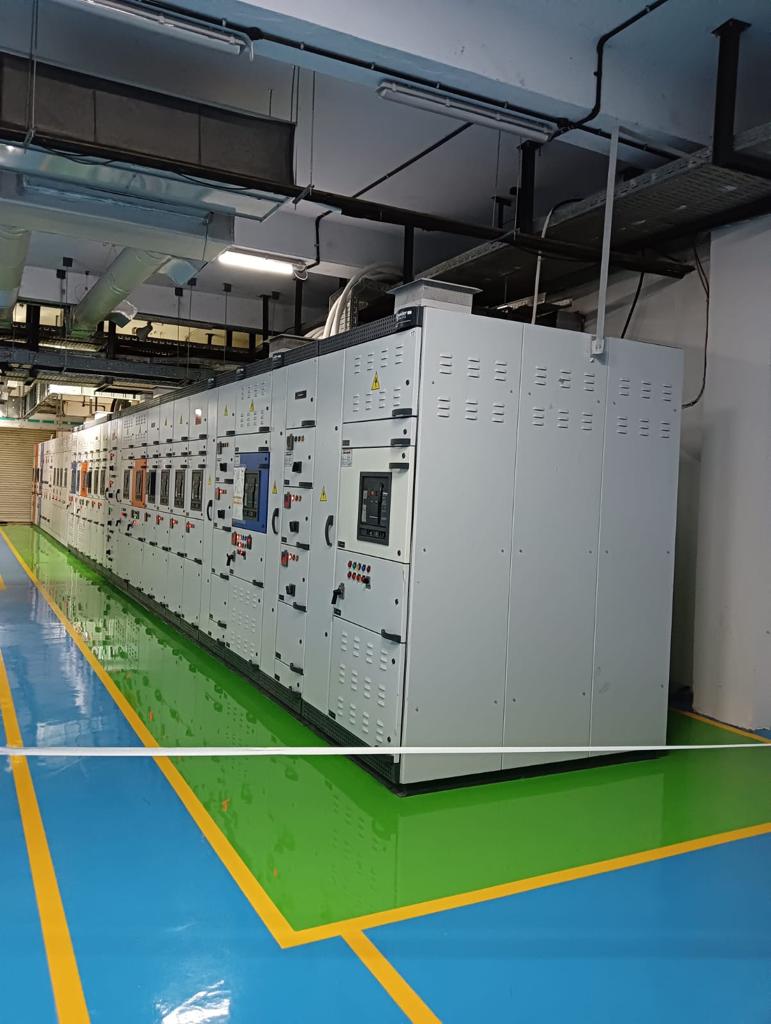
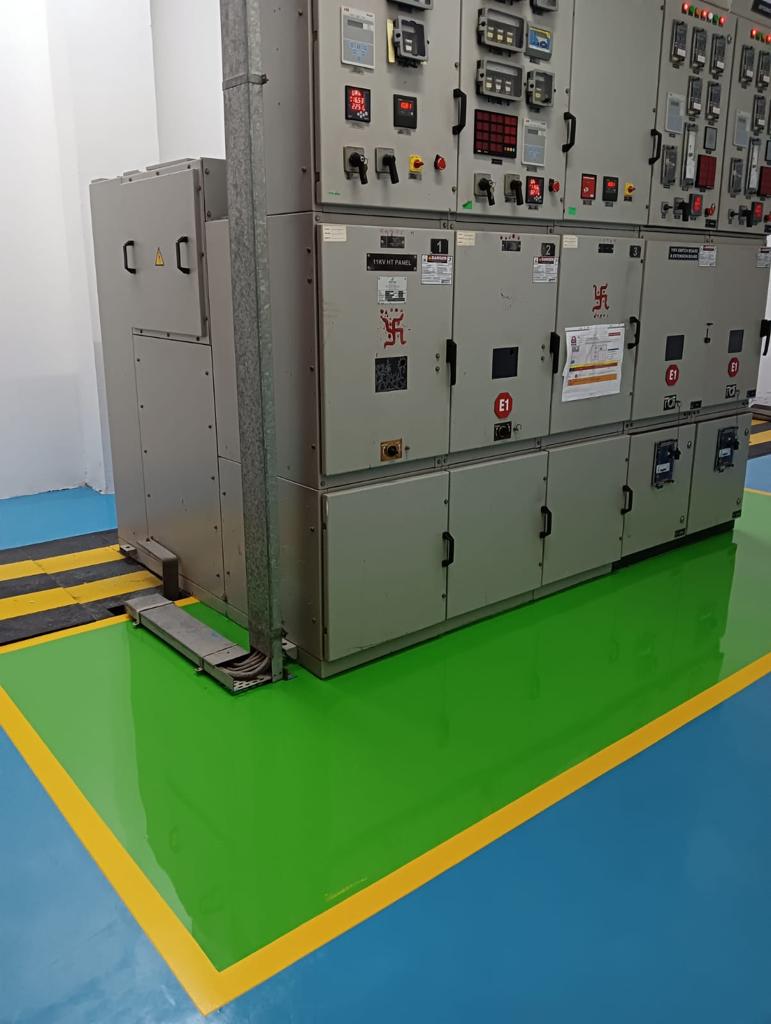
Consider an electrical insulation flooring system when a facility requires an insulating floor surface alongside industrial durability. Select the system based on the electrical application, operating conditions, substrate, and applicable safety and testing requirements.
Dielectric flooring is another term used for flooring designed with electrical insulating properties. It can be considered for locations where controlling electrical conductivity at the floor surface is important.
A dielectric flooring system can be used in areas such as:
The exact application should be evaluated according to the electrical system, workplace conditions, safety requirements, and relevant standards.
A properly selected insulation flooring system is designed to provide high electrical resistance. This characteristic is important in environments where the floor needs to act as an insulating surface.
Electrical work areas require careful control of potential electrical hazards. An appropriate flooring system can form one part of a broader workplace safety approach when combined with proper equipment, grounding practices, personal protective equipment, and electrical safety procedures.
Industrial flooring is exposed to continuous movement and daily operational activities. A well-designed system can provide a durable surface suitable for regular industrial use.
Depending on the selected flooring system, the finished surface can be designed for convenient cleaning and routine maintenance. This is particularly useful in controlled industrial and electrical work areas.
Electrical insulation flooring can be considered for different applications based on the required electrical properties, mechanical strength, chemical exposure, temperature, and site conditions.
Dielectric flooring can be useful in workplaces where electrical equipment and personnel operate in close proximity. Electrical panels, control systems, testing equipment, power distribution areas, and maintenance zones may require specialized floor protection.
In manufacturing facilities, the flooring may also need to handle machinery movement, foot traffic, dust, oil, chemicals, or cleaning activities. Therefore, selecting a flooring system only on the basis of electrical resistance may not be sufficient.
A complete evaluation should consider the substrate, surface preparation, expected loading, environmental conditions, cleaning requirements, and required electrical performance.
The performance of an electrical insulation flooring system depends significantly on correct installation. Before installation, the existing floor should be inspected for cracks, moisture, contamination, unevenness, and other substrate-related problems.
A typical installation process may include:
Professional installation is important because improper surface preparation, incorrect thickness, contamination, moisture, or unsuitable materials can affect the final performance of the flooring system.
Choosing dielectric flooring should begin with the actual requirements of the facility. Consider the following factors:
The flooring specification should be finalized after evaluating the site conditions rather than selecting a system based only on a general product description.
Specialized electrical flooring requires attention to both material performance and installation conditions. A professional flooring provider can help assess the existing substrate, recommend an appropriate system, prepare the surface, and apply the flooring according to the required specifications.
Protexion provides specialized industrial coating and flooring solutions designed for demanding application environments. The appropriate flooring system can be selected according to the specific electrical, mechanical, chemical, and operational requirements of the facility.
Regular maintenance helps preserve the condition of the flooring surface. Cleaning should be performed using methods and cleaning agents compatible with the installed flooring system.
Heavy impacts, sharp objects, chemical spills, or mechanical damage should be addressed promptly. Periodic inspection can also help identify cracks, peeling, surface wear, or other conditions that may affect the flooring's performance.
Where electrical insulation performance is critical, periodic testing should be considered according to the applicable site requirements and safety procedures.
Industrial facilities need flooring that combines practical surface performance with application-specific electrical characteristics. Electrical insulation flooring can provide a specialized surface for areas where electrical isolation is an important consideration.
Whether the requirement is for an electrical control room, maintenance area, testing zone, power equipment space, or industrial facility, the flooring specification should be based on the actual operating environment.
A properly planned dielectric flooring system can support workplace requirements while providing a durable and maintainable floor surface.
Protexion offers specialized flooring and coating solutions designed for demanding industrial environments. Its electrical insulation flooring solutions are developed to support electrical safety requirements while providing a durable, reliable, and easy-to-maintain surface for industrial applications.
The company focuses on providing application-oriented flooring systems that combine surface protection, durability, and functional performance. Its solutions include dielectric flooring for applications where electrical resistance is an important consideration. By focusing on specialized industrial flooring and coating systems, Protexion aims to support businesses in choosing suitable solutions for their specific facility requirements.
Electrical insulation flooring and dielectric flooring are specialized solutions for environments where electrical resistance and reliable floor performance are important. The right system should be selected according to the site's electrical requirements as well as mechanical, chemical, environmental, and maintenance conditions.
With proper substrate preparation, professional installation, suitable material selection, and regular maintenance, an electrical flooring system can provide a durable and practical surface for demanding industrial and electrical work environments.
Electrical insulation flooring is a specialized flooring system designed to provide electrical resistance and reduce the conductive path through the floor surface under specified conditions.
Dielectric flooring is used in areas where electrical insulation properties at the floor surface are required, such as electrical rooms, maintenance areas, testing zones, and industrial electrical workplaces.
Yes, dielectric flooring can be considered for industrial facilities when the selected system meets the required electrical, mechanical, chemical, and environmental conditions.
Installation generally involves substrate inspection, surface preparation, repairs where required, application of the flooring system, curing, finishing, and testing or inspection according to the project requirements.
Yes. Regular cleaning, inspection, and timely repair of damaged areas can help maintain the condition and performance of the flooring.
It can be used in suitable electrical work areas, but the flooring should be specified according to the electrical application and relevant safety requirements. Flooring should not be considered a replacement for proper electrical protection procedures.
Selection should consider electrical resistance requirements, substrate condition, traffic, chemicals, moisture, temperature, cleaning conditions, thickness, and applicable standards.
Need help assessing your facility? Contact Protexion to discuss your electrical insulation flooring requirements.
Explore zinc-rich epoxy primer systems for corrosion protection of prepared steel.
Learn about dielectric floor coating solutions for electrical and panel-room areas.
Find zinc-rich coating options that help protect steel and iron from corrosion.

Protexion LLP | Nasik
ISO 9001:2015 Certification scope for protective coatings and solution providers. This ensures the highest global standards for industrial quality management.
Read Detailed PDFReach out to our engineering team for technical support and inquiries.















Trusted by 100+ Leading Corporations Across India