
Epoxy Floor Coating
Discover durable and high-performance epoxy floor coatings engineered for seamless protection, chemical resistance, and heavy industrial use.
Epoxy Floor Coating for Durable and High-Performance Floors
Industrial and commercial floors are exposed to continuous foot traffic, machinery movement, impact, dust, chemicals, oil, moisture, and everyday wear. Ordinary concrete floors can gradually develop cracks, stains, surface deterioration, and difficult-to-clean areas when they are exposed to demanding operating conditions. Epoxy floor coating provides a durable surface-protection solution that can improve the performance, appearance, and maintainability of suitable concrete floors.
Epoxy flooring is created by combining resin and a hardener to form a strong, chemically resistant coating after curing. When properly selected and applied to a correctly prepared substrate, an epoxy system can create a seamless and durable surface suitable for many industrial, commercial, institutional, and utility environments.
The performance of an epoxy floor depends on several factors, including concrete condition, surface preparation, coating thickness, product formulation, application method, curing, and the environment in which the floor will be used.
What Is Epoxy Floor Coating?
Epoxy floor coating is a resin-based protective flooring system applied over suitable concrete or other compatible substrates. The coating forms a hard, continuous surface after the resin and curing agent react and cure.
Unlike conventional floor paint, epoxy systems can be formulated for specific requirements such as chemical resistance, abrasion resistance, impact resistance, slip resistance, or heavy-duty industrial use.
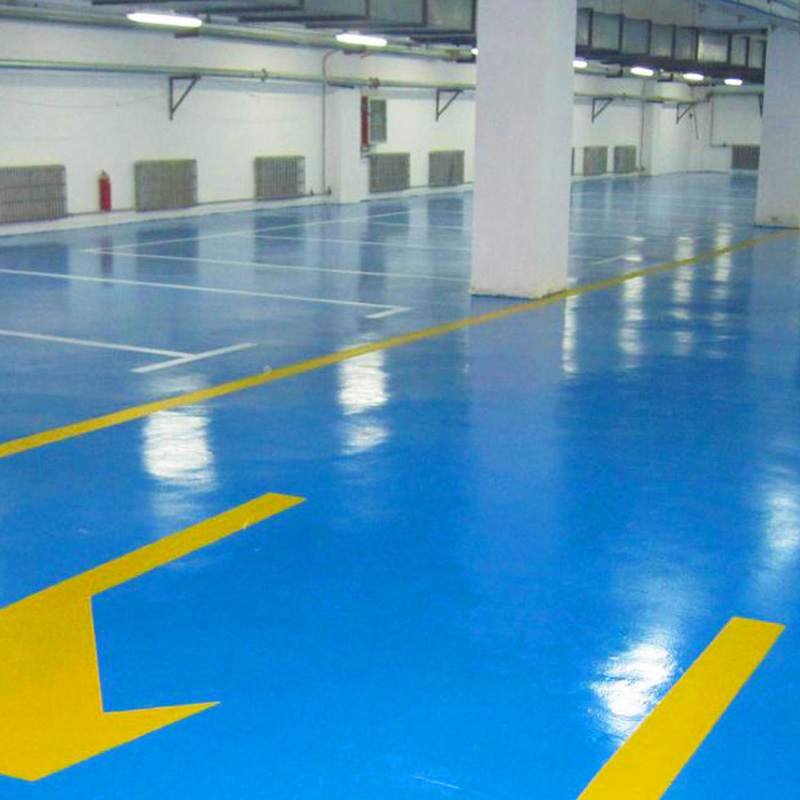
Depending on the project, epoxy flooring may be installed as a thin coating, high-build system, self-leveling floor, or multi-layer flooring system. The correct system should be selected according to the floor's expected traffic and operating conditions.
Why Choose Epoxy Floor Coating?
Concrete provides a strong foundation, but exposed concrete can absorb liquids and may generate dust as the surface wears. Industrial operations may also expose concrete to chemicals, oils, grease, water, and mechanical stress. A properly designed Epoxy floor coating system can provide an additional protective layer over the substrate.
Key benefits include:
The actual performance depends on the specific epoxy formulation and service conditions.
Benefits of Epoxy Flooring
High Durability
Industrial floors need to withstand regular movement, equipment, carts, material handling, and other physical stresses. A properly designed epoxy system can provide a hard and durable surface for suitable applications.
For areas experiencing particularly heavy traffic or impact, a high-build or reinforced epoxy system may be more appropriate than a basic coating.
Chemical Resistance
Factories, laboratories, workshops, warehouses, and processing facilities may encounter oils, cleaning chemicals, solvents, acids, alkalis, or other substances.
Certain epoxy formulations provide resistance to specific chemicals. Chemical compatibility should always be confirmed against the actual substances used at the site.
Easy Maintenance
The seamless nature of many epoxy floor systems makes the surface easier to clean compared with rough or highly porous concrete. Regular sweeping, washing, and prompt removal of spills can help maintain the floor and reduce the accumulation of dirt and contaminants.
Improved Appearance
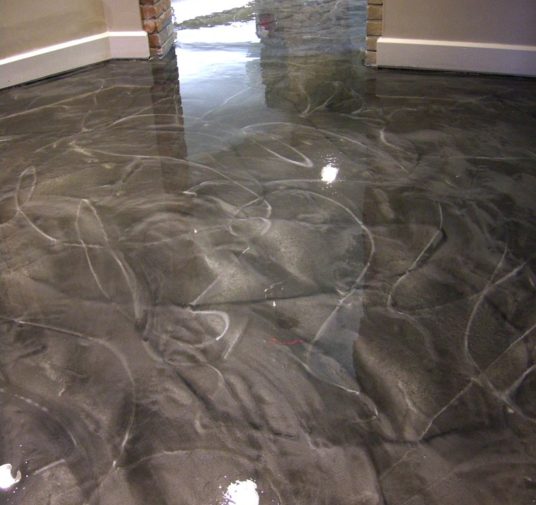
Epoxy floors can provide a smooth, uniform, professional appearance. Depending on the system, different colours, gloss levels, textures, and decorative effects can be incorporated into the flooring design. This makes epoxy suitable for areas where both functionality and visual presentation are important.
Reduced Dusting
Worn concrete surfaces can generate dust through normal abrasion. An appropriate Epoxy floor coating can seal the surface and help reduce concrete dusting. This can be particularly useful in warehouses, production areas, workshops, and facilities where cleanliness is important.
Industrial Applications of Epoxy Floor Coating
Manufacturing Facilities
Warehouses
Workshops and Garages
Pharmaceutical and Laboratory Areas
Commercial Buildings
Food Processing Areas
Epoxy Floor Coating Application Process
A successful epoxy floor begins with proper preparation rather than simply applying resin over concrete.
1. Floor Inspection
The concrete substrate should be inspected for cracks, moisture, oil contamination, weak areas, previous coatings, unevenness, and other conditions that could affect adhesion.
2. Surface Preparation
Dust, grease, latitude, loose concrete, old coatings, and contaminants should be removed. Mechanical preparation methods such as grinding, shot blasting, or other suitable techniques may be used depending on the substrate and selected system.
3. Crack and Joint Treatment
Cracks, damaged areas, construction joints, and other defects should be evaluated and treated appropriately before the main coating is installed.
4. Primer Application
A compatible epoxy primer may be applied to improve adhesion and prepare the substrate for subsequent layers. The need for a primer depends on the selected flooring system.
5. Epoxy Application
The Epoxy floor coating resin and hardener are mixed according to the manufacturer's specified ratio. The material is then applied at the recommended thickness using suitable tools and techniques.
6. Curing
The coated floor must be allowed to cure for the required period. Foot traffic, equipment movement, and chemical exposure should be restricted until the system has reached the required stage of cure.
7. Final Inspection
The completed floor should be checked for uniform coverage, surface defects, adhesion, finish, and other project requirements.
Choosing the Right Epoxy Floor Coating
Not every epoxy floor coating is suitable for every environment. Before selecting a system, consider:
For specialized industrial coating requirements, Protexion provides protective coating solutions for demanding surface applications.
Epoxy Coating for Heavy-Duty Floors
Heavy-duty environments may require more than a standard thin epoxy coating. Areas exposed to forklifts, machinery, impact, chemicals, or continuous traffic may benefit from high-build or multi-layer flooring systems.
The appropriate thickness and flooring design should be determined according to the expected load and operating environment. Applying a thicker coating does not automatically solve substrate problems, so concrete preparation remains essential.
Epoxy Floor Maintenance
Proper maintenance can help preserve the appearance and performance of an epoxy floor. Recommended practices may include:
Maintenance requirements vary according to the coating system and operating environment.
Common Epoxy Flooring Problems
Epoxy flooring can experience premature failure when application conditions are unsuitable. Common problems include:
Many of these issues can be reduced through proper substrate preparation, moisture assessment, product selection, mixing, application, and curing.
Why Protexion Is a Trusted Choice for Epoxy Floor Coatings
Choosing the right epoxy floor coating involves more than selecting a durable material. The coating system should match the floor condition, level of traffic, mechanical load, chemical exposure, moisture conditions, and intended use of the space. Protexion focuses on application-specific epoxy flooring solutions designed to support durable, clean, and functional floor surfaces.
Epoxy Floor Coating vs Ordinary Floor Paint
Ordinary floor paint is generally designed for basic surface decoration and protection. Epoxy floor Coating is formulated using resin and curing technology to create a more durable protective film.
For areas exposed to heavy traffic, chemicals, abrasion, or demanding cleaning conditions, an appropriately specified epoxy system may provide advantages over conventional floor paint. However, the correct choice depends on the actual service environment rather than simply choosing the most heavy-duty product available.
Frequently Asked Questions
Get In Touch
ISO 9001:2015 Certification
Protexion LLP | Nasik
ISO 9001:2015 Certification scope for protective coatings and solution providers. This ensures the highest global standards for industrial quality management.
Read Detailed PDFSubmit Inquiry
Reach out to our engineering team for technical support and inquiries.
Esteemed Clientele










Trusted by 100+ Leading Corporations Across India