
Heat insulation Coating & Paint
Discover our high‑performance solutions for heat insulation coating, thermal barrier protection, and energy saving applications.
Heat Insulation Coating
Buildings, industrial equipment, roofs, tanks, pipes, and metal structures can experience significant heat exposure during daily operations. Excessive heat can affect indoor comfort, increase cooling requirements, accelerate thermal expansion, and contribute to surface deterioration. A properly selected Heat Insulation Coating can help control heat transfer and create a protective thermal barrier on suitable surfaces.
A Heat Insulation Paint is a functional coating designed to do more than provide a decorative finish. Depending on its formulation and application, it can help reflect or reduce heat transfer while protecting the underlying surface. Thermal insulation coatings work by slowing heat transfer, and their performance depends on factors such as formulation, film thickness, substrate, temperature, and application conditions.
What Is Heat Insulation Coating?
Heat Insulation Coating is a specialized surface treatment used to manage heat movement through or from a coated surface. It can be applied to selected roofs, walls, industrial equipment, tanks, pipes, metal structures, and other suitable substrates.
Unlike conventional decorative paint, an insulation coating is developed with functional properties intended to help manage thermal energy. Some systems primarily reflect solar radiation from exterior surfaces, while others are formulated to reduce heat transfer from hot industrial surfaces.
For industrial applications, coating selection should always consider the operating temperature, substrate material, required dry film thickness, environmental exposure, and the manufacturer's technical specifications.
How Does Heat Insulation Paint Work?
Heat Insulation Paint can work through a combination of heat-reflective and thermal-barrier properties. On exterior roofs and walls, reflective formulations can reduce the amount of solar radiation absorbed by the surface. On industrial assets, specialized insulating formulations can reduce heat transfer from hot surfaces to the surrounding environment.
This makes thermal coatings useful where conventional insulation systems may be difficult to install because of limited space, complicated equipment geometry, or accessibility challenges. However, coating performance should be evaluated for the specific application rather than assuming that every insulation coating can replace traditional insulation.
Key Benefits of Heat Insulation Coating
Choosing the right Heat Insulation Coating can provide several practical advantages:
Helps Control Heat Transfer
A properly specified coating can reduce the movement of heat through the coated surface. This can help manage heat gain in buildings or heat loss from selected industrial equipment.
Improves Thermal Comfort
Roof and wall surfaces exposed to strong sunlight can contribute to indoor heat gain. Reflective insulation coatings can help reduce this effect and create a more comfortable working environment.
Supports Energy Efficiency
Reducing heat gain can potentially lower the cooling load of air-conditioning systems. Actual energy savings depend on the building design, climate, coating properties, surface area, and operating conditions.
Protects Surfaces
Thermal coatings can provide an additional protective layer against environmental exposure. Depending on the product formulation, additional resistance to moisture, corrosion, chemicals, or weathering may also be available.
Lightweight Application
Compared with bulky insulation systems, liquid-applied coatings can provide a thin functional layer. This makes them useful for locations where adding substantial thickness or weight is impractical.
Useful for Complex Surfaces
Pipes, tanks, vessels, machinery, ducts, and other irregular surfaces can be difficult to cover with conventional insulation. Spray, brush, or roller-applied coating systems can offer greater flexibility where the product is technically suitable.
Heat Insulation Paint for Roofs
Roof surfaces receive direct solar radiation throughout the day and can become considerably hotter than the surrounding air. Applying a suitable Heat Insulation Paint to compatible roof substrates can help reflect solar radiation and reduce heat absorption.
These coatings can be considered for industrial sheds, warehouses, commercial buildings, concrete roofs, metal roofs, and other suitable surfaces. Surface preparation is important because dirt, rust, oil, loose coatings, and moisture can affect adhesion and long-term performance.
The correct coating thickness and application method should always follow the product's technical recommendations.
Heat Insulation Coating for Industrial Applications
Industrial facilities often contain equipment and surfaces exposed to elevated temperatures. A specialized Heat Insulation Coating may be considered for applications involving pipes, tanks, vessels, ducts, furnace-related structures, heating equipment, and other suitable assets.
Thermal insulation coatings are particularly useful in areas where conventional insulation is difficult because of space restrictions or complicated geometries. Some industrial thermal coatings are also designed to reduce condensation or corrosion-under-insulation risks in appropriate applications.
For very high-temperature equipment, it is important to distinguish heat-insulating coatings from conventional heat-resistant paints. A heat-resistant coating may be designed primarily to survive high temperatures, whereas a thermal insulation coating has a different functional objective. Product temperature limits and technical data should therefore be checked before application.
Applications of Heat Insulation Paint
A quality Heat Insulation Paint can be considered for various applications, including:
The suitability of the coating depends on the substrate and operating environment.
Heat Insulation Coating for Roof
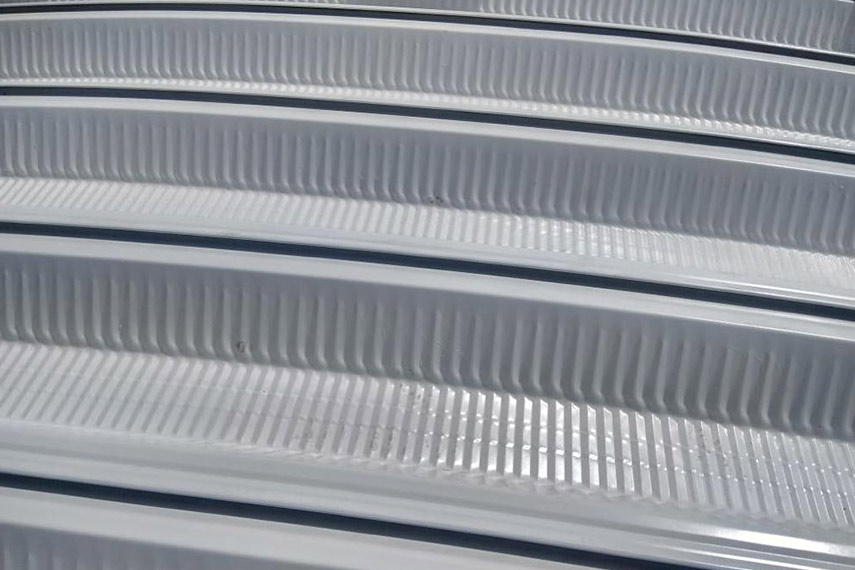
A flexible Heat Insulation coating for roofs with low permeability can greatly extend the useful life of a roof by reducing expansion and contraction of the substrates. This prevents condensation, corrosion and surface degradation when applied to the metal surface.
Why Choose the Right Coating System?
Every heat-control application is different. A coating designed for a building roof may not be suitable for a high-temperature industrial component. Similarly, a coating designed to withstand extreme temperatures may not provide the same solar-reflective properties required for a roof.
Therefore, important factors include:
A technical assessment helps identify the appropriate coating system instead of relying only on the term insulation paint.
Heat Insulation Coating for Better Surface Protection
Modern coating systems can combine thermal management with surface protection. Depending on formulation, they may help reduce thermal stress, protect substrates from environmental exposure, and support longer service life.
For example, reducing repeated heating and cooling cycles can help limit thermal expansion and contraction of some substrates. However, actual durability depends on the coating system, substrate preparation, environmental conditions, and maintenance.
We provide specialized protective coating solutions for heat insulation applications, including systems intended for roofs, metal surfaces, concrete structures, and industrial applications. Its published product information describes heat insulation coatings as thermal-barrier solutions designed to reduce heat transfer and support surface protection.
Benefits of Heat Insulation Paint
Why Choose Protexion for Heat Insulation Coating and Paint?
Choosing the right heat insulation coating requires more than selecting a product based on the word insulation. Different surfaces and operating environments have different thermal requirements. Protexion focuses on protective coating solutions designed for applications involving roofs, metal surfaces, concrete structures, industrial equipment, tanks, pipes, and other suitable substrates.
Choose a Suitable Heat Insulation Solution
A well-selected Heat Insulation Coating can be an effective part of a broader thermal-management and surface-protection strategy. Whether the objective is reducing solar heat gain on a roof, managing heat transfer from industrial equipment, improving working conditions, or protecting a substrate exposed to thermal cycling, the coating must be selected according to the actual application.
For reliable results, evaluate the substrate, temperature range, environmental exposure, required coating thickness, application method, and technical performance before starting the project. The right Heat Insulation Paint combined with proper surface preparation and professional application can provide a practical solution for modern buildings and industrial environments.
Frequently Asked Questions
Get In Touch
ISO 9001:2015 Certification
Protexion LLP | Nasik
ISO 9001:2015 Certification scope for protective coatings and solution providers. This ensures the highest global standards for industrial quality management.
Read Detailed PDFSubmit Inquiry
Reach out to our engineering team for technical support and inquiries.
Esteemed Clientele












Trusted by 100+ Leading Corporations Across India