Waterproofing Contractors
Professional waterproofing contractors providing reliable building protection, diagnostic moisture inspection, and high-performance waterproofing systems.
Waterproofing Contractors for Reliable Building Protection
Water leakage can gradually affect walls, roofs, terraces, basements, bathrooms, industrial structures, and other parts of a building. If moisture enters the structure repeatedly, it may contribute to dampness, peeling paint, stains, cracks, mold growth, and deterioration of construction materials. Professional waterproofing contractors help identify the source of water ingress and select an appropriate waterproofing system according to the surface and environmental conditions.
A successful waterproofing project is not simply about applying a coating over a wet or damaged surface. It requires proper inspection, surface preparation, material selection, application, curing, and quality checks. The right waterproofing approach can help protect a structure from recurring moisture-related problems and improve its long-term durability.
What Do Waterproofing Contractors Do?
Waterproofing contractors provide specialized services designed to reduce or prevent water penetration through building surfaces. They assess the affected area, identify potential leakage points, evaluate the substrate, and recommend a suitable waterproofing method.
Depending on the project, waterproofing work may involve liquid-applied coatings, cementitious waterproofing, polyurethane systems, acrylic coatings, membrane systems, crack treatment, joint sealing, or other specialized solutions.
Professional contractors generally consider several factors before beginning work, including:
This evaluation helps ensure that the selected system matches the actual requirements of the structure.
Why Professional Waterproofing Is Important
Waterproofing is an important part of building maintenance. Small leakage problems can become more difficult to manage when water continues to penetrate the structure.
Professional waterproofing contractors can help address common issues such as:
- Roof and terrace leakage
- Basement water seepage
- Bathroom and wet-area leakage
- Wall dampness
- Concrete surface deterioration
- Water entering through cracks
- Expansion and construction joint leakage
- Moisture around pipelines and service areas
A properly designed waterproofing system creates a protective barrier that helps limit water penetration and supports the durability of the underlying structure.
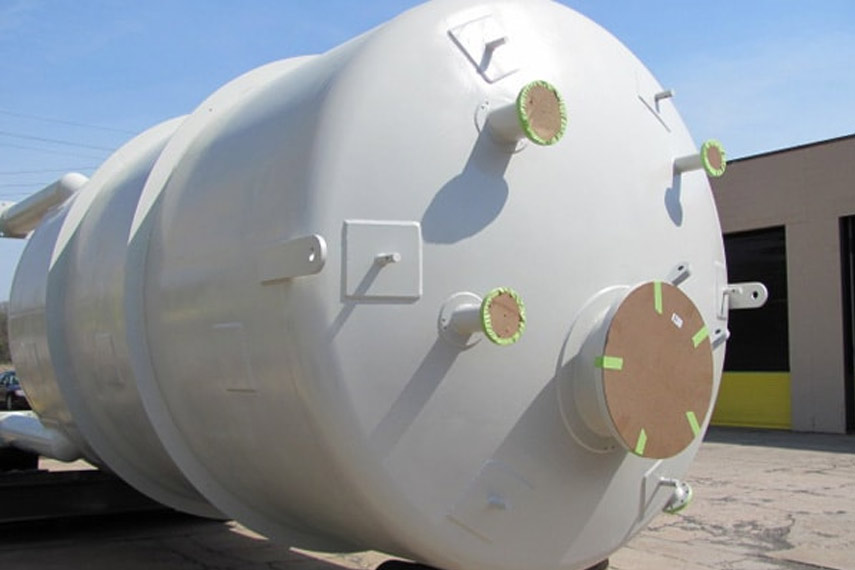
Reliable Building Protection & Leakage Diagnosis
Types of Waterproofing Services
Roof and Terrace Waterproofing
Roofs and terraces are continuously exposed to rain, sunlight, temperature changes, and standing water. Waterproofing contractors can inspect the surface for cracks, damaged joints, drainage problems, and previous coating failures before recommending an appropriate waterproofing system.
Proper drainage is also important because stagnant water can place additional stress on the waterproofing layer.
Basement Waterproofing
Basements can experience water seepage because of groundwater, hydrostatic pressure, cracks, construction joints, or inadequate drainage. Basement waterproofing requires careful assessment because water may enter through multiple paths.
Depending on site conditions, contractors may use suitable membrane, coating, injection, drainage, or joint-sealing solutions.
Bathroom Waterproofing
Bathrooms are continuously exposed to water and humidity. Waterproofing beneath tiles and around critical joints helps reduce the risk of water reaching walls, floors, or adjoining areas.
Special attention should be given to corners, pipe penetrations, floor-wall junctions, and drainage points.
Concrete Waterproofing
Concrete may appear solid, but cracks, pores, joints, and construction defects can provide pathways for water. A suitable concrete waterproofing system can help reduce water penetration while supporting the protection of the concrete surface.
The selected system should be compatible with the concrete condition and expected exposure.
Industrial Waterproofing
Industrial buildings may require waterproofing for roofs, process areas, storage structures, utility zones, tanks, floors, and other surfaces. Industrial environments can involve chemicals, mechanical activity, temperature variations, and heavy traffic.
For such applications, Waterproofing contractors need to consider both water resistance and the specific operating conditions of the facility.
Benefits of Hiring Experienced Waterproofing Contractors
Proper Problem Identification
Water stains do not always indicate the exact point where water is entering. Moisture can travel through concrete, masonry, joints, and other construction elements. A professional inspection can help identify potential sources instead of treating only the visible symptom.
Correct Material Selection
Different surfaces require different waterproofing technologies. A system suitable for a terrace may not be appropriate for a basement or industrial floor. Experienced contractors evaluate the application before selecting the material and application method.
Better Surface Preparation
Surface preparation is one of the most important stages of Waterproofing contractors. Dust, oil, loose concrete, old coatings, latitude, and other contaminants can affect adhesion. Proper preparation can improve the bonding and overall performance of the waterproofing system.
Professional Application
Waterproofing products must be applied according to their technical requirements. Incorrect mixing ratios, insufficient coverage, improper thickness, or inadequate curing can reduce performance. Professional application helps maintain consistency throughout the treated area.
Long-Term Maintenance
Waterproofing should not always be considered a one-time activity. Regular inspection can help identify damaged areas, blocked drainage, cracks, or coating deterioration before they become major problems.
How the Waterproofing Process Works
A methodical sequence executed to deliver durable and reliable water barrier protection.
1. Site Inspection
2. Surface Preparation
3. Crack and Joint Treatment
4. Waterproofing Application
5. Curing and Inspection
6. Final Protection
Why Choose Protexion for Waterproofing Contractors?
Choosing the right waterproofing solution requires proper assessment of the structure, water exposure, substrate condition, and application requirements. Protexion provides waterproofing solutions designed to support reliable moisture protection across residential, commercial, and industrial applications.
Choosing the Right Waterproofing Contractors
Selecting a contractor should involve more than comparing prices. Consider the contractor's experience with similar surfaces, understanding of waterproofing systems, preparation methods, application process, and approach to quality control.
It is also useful to discuss the expected service conditions, maintenance requirements, warranty terms where applicable, and the materials proposed for the project.
Common Waterproofing Mistakes to Avoid
Some Waterproofing contractors problems occur because the underlying cause is not addressed. Common mistakes include:
A systematic approach can help reduce the risk of premature waterproofing failure.
Applications of Waterproofing Solutions
Professional waterproofing services can be used in many residential, commercial, and industrial locations, including:
The appropriate waterproofing system depends on the specific requirements of each location.
Frequently Asked Questions
Get In Touch
ISO 9001:2015 Certification
Protexion LLP | Nasik
ISO 9001:2015 Certification scope for protective coatings and solution providers. This ensures the highest global standards for industrial quality management.
Read Detailed PDFSubmit Inquiry
Reach out to our engineering team for technical support and inquiries.
Esteemed Clientele







Trusted by 100+ Leading Corporations Across India